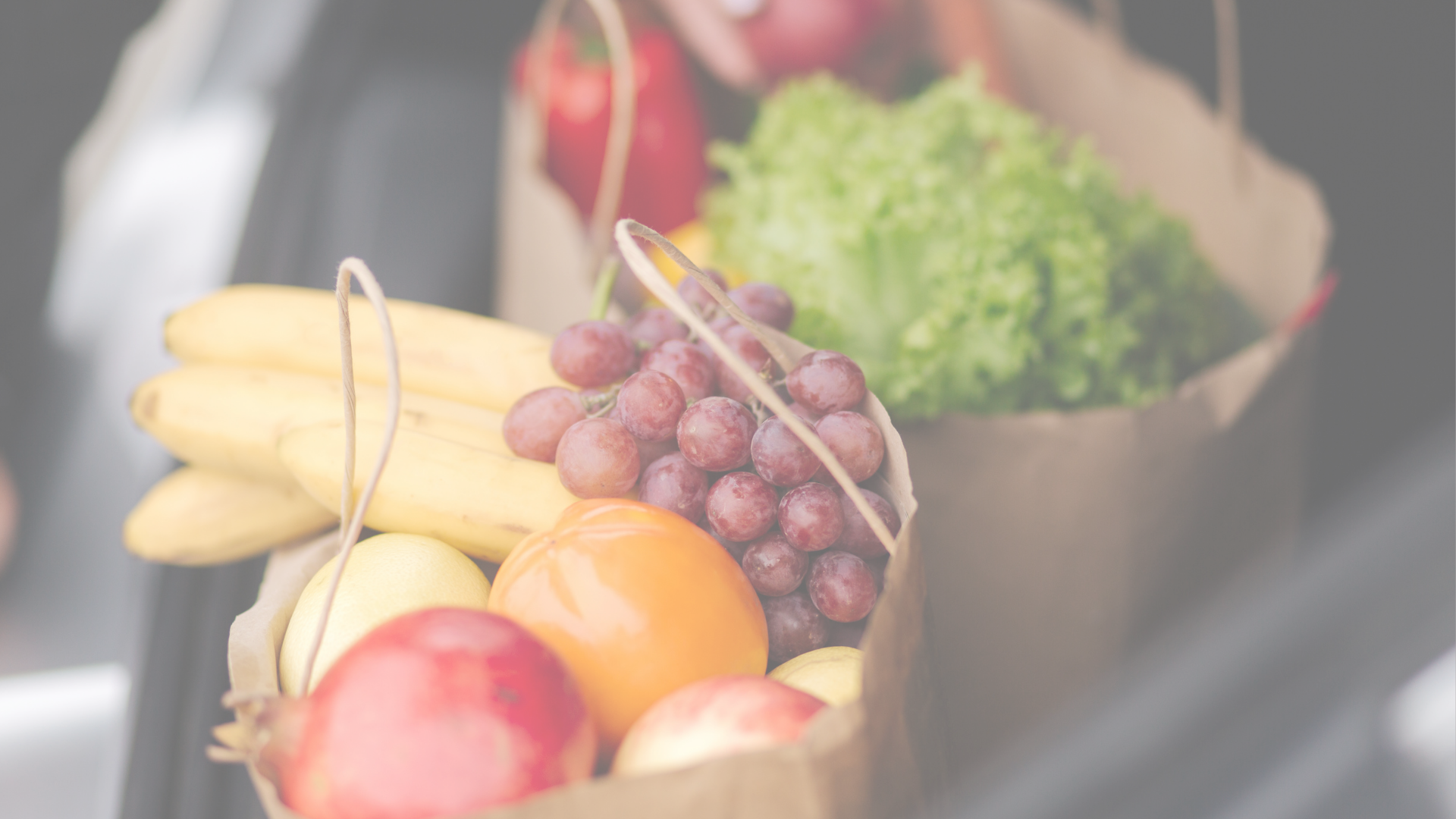

Recently, I have received emails asking me about Apeel. “mo What is Apeel? How can I figure out if this invisible coating is on my produce? Is it on my organic produce as well? Can I be allergic to it?…“
What Is Apeel and How Does It Work?
Apeel is a coating made from plant-based materials. It is created by extracting fats and oils from plant leftovers—peels, seeds, and pulp.
Why Are Companies Using Apeel?
These plant-derived lipids (fats) form a thin, surface barrier that is placed on produce to slow moisture loss and oxidation, the primary causes of spoilage. Apeel is applied widely to extend shelf life during shipping, retail, and at home. Companies are using it to:
- Reduce food waste.
- Lower plastic use and refrigeration needs
- Support sustainable sourcing for brands and retailers like Costco, Kroger, and Driscoll’s.
Although these are presented as positive goals, Apeel’s proprietary nature and limited labeling mean consumers may be unaware when it’s used.
Is Apeel on Organic Produce?
Yes. The USDA’s National Organic Program has approved Apeel use on organic produce, treating it as a non-synthetic allowed coating. Still, some organic advocates question whether such coatings align with organic transparency ideals.
Effect on Nutrition and Bioavailability
- The present research states that Apeel does not add or remove nutrients and claims that by slowing spoilage, it helps fruits and vegetables retain vitamins and antioxidants longer than uncoated produce.
- The coating reduces moisture loss and slows ripening. At this point, no studies show Apeel reduces nutrient bioavailability, though some have voiced concern that altering skin permeability is an unknown and may be problematic.
- To date, no peer-reviewed research demonstrates negative nutrition impacts. Independent research on long-term health remains limited.
How to Identify Apeel on Produce
Since Apeel is invisible and provides no visual cue, here are a few ways to possibly check:
| Method | Description |
|---|---|
| Retail labels/signage | Look out for “Apeel-treated,” “longer-lasting,” or “reduced-waste” claims. |
| Produce stickers | Some PLU codes may denote it, but not consistent across retailers. |
| Ask your retailer | Directly inquire whether Apeel was used. |
| Brand websites | Brands like Driscoll’s or Costco may disclose coated produce lines. |
| Peel the produce | Fully removes the coating; washing alone won’t dissolve it entirely. |
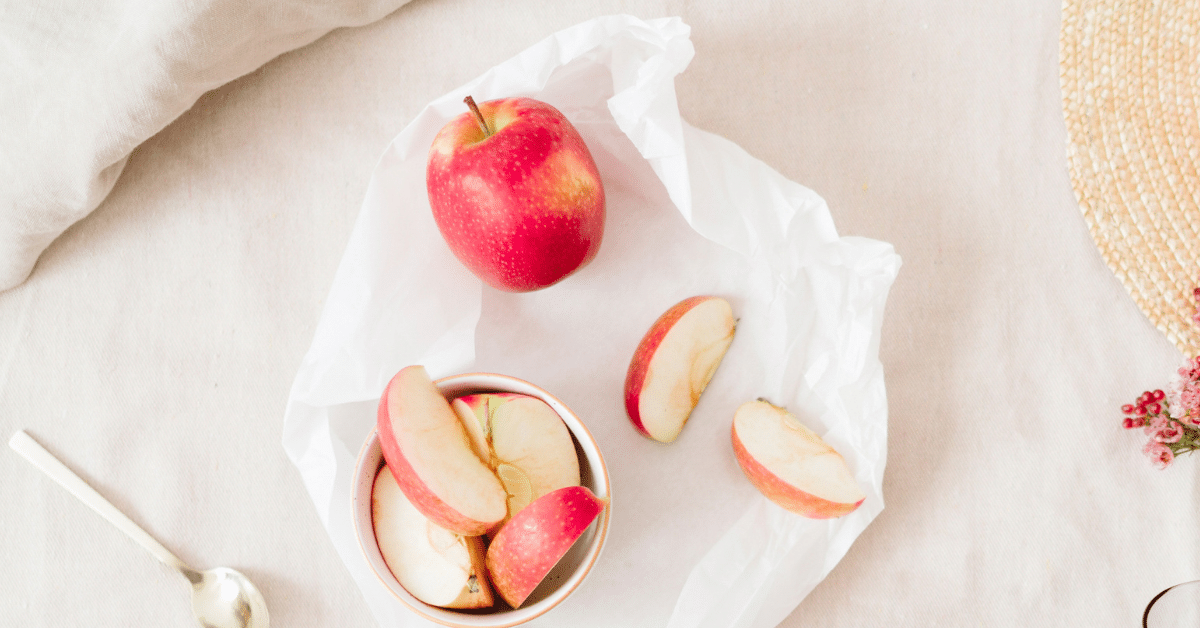
How Apples’ Polyphenols Reduce Inflammation/Protect Your Cells
The Most Powerful Cellular Benefit of Apples? Their Polyphenols. Look at all these benefits! Now that’s Simple Self Care.
Common Produce Known to Use Apeel
| Produce | Notes |
|---|---|
| Avocados | Among the earliest and most common |
| Citrus (lemons, limes, oranges) | Widely used in citriculture |
| Apples | Increasingly included |
| Pears | Coating used in select varieties |
| Kiwifruit | Helps delay spoilage |
| Peaches, Nectarines, Plums | Seasonal coating usage |
| Grapes | Applied to some varieties |
| Strawberries / Other Berries | Often coated to preserve firmness |
| Cucumbers | Occasionally used |
| Tomatoes | Limited but growing use |
| Asparagus | Testing in limited batches |
Global Regulatory Status: U.S., Canada, EU (and Other)
United States
- Apeel has full regulatory clearance—GRAS status by the FDA and approved by USDA. It is in use broadly nationwide.
Canada
- Approved for select produce (especially avocados and citrus) by Health Canada and CFIA.
- The case-by-case approach reflects Canada’s commitment to safety and allergen concerns, requiring rigorous evidence even when U.S. approval exists.
European Union
- Apeel does not have approval. EFSA’s review remains incomplete under the EU’s Novel Foods Regulation.
- Reasons:
- Need for complete ingredient transparency (proprietary formula currently opaque)
- Demand for independent research beyond company-funded studies
- Allergenicity and long-term health data gaps
- The precautionary principle delays approval without clear, robust evidence.
Other Regions
- Apeel is exploring expansion into Latin America and Asia, but usage outside North America remains limited.
Self-Care information, tips, tools, products & programs
What about Allergies, Sensitivities & Safety
- Apeel is made from plant lipids and is free of common allergens (corn, wheat, gluten, soy, nuts).
- However, because formulations vary and are proprietary, consumers with severe sensitivities should:
- Directly contact Apeel Sciences
- Ask retailers or brands about specifics
- Avoid or peel coated produce if concerned
Research & Independent Review
- Company-affiliated studies generally demonstrate benefits like extended shelf life and decreased spoilage.
- Regulatory agencies (FDA, CFIA, USDA, USDA Organic Program) have reviewed and cleared use based on safety dossiers.
- So far ,Independent peer-reviewed studies on reversible edible coatings in general support nutrient and texture preservation, without showing negative effects on bioavailability.
- Ongoing needs: More long-term, independent research to assess nutritional retention, allergenicity, consumer exposure, and health effects. I also follow along to see how the EU and Canada evaluate the use of APEEL.
RE-Cap of points.
- Apeel is a plant-based edible coating designed to extend produce shelf life, reduce food waste, and support sustainability.
- Many of its purported benefits are supported by company studies and regulatory reviews, but less so by independent research.
- It’s approved and used in the U.S. and Canada; pending in the EU, where regulators practice extra caution.
- The coating is invisible and not always labeled, raising transparency concerns.
- While no data shows reduced nutrient bioavailability, theoretical questions persist, and ongoing research is needed.
- If allergies or sensitivities are a concern, contact retailers or Apeel directly, or opt to peel produce.
Contact & Further Reading
Reach out to Apeel Sciences for detailed ingredient info:
- Email: info@apeel.com
- Website: apeel.com
- Phone: (805) 360‑1600 (California HQ)
Regulatory & scientific resources:
- FDA GRAS notification filings
- CFIA and Health Canada documentation
- EFSA’s public Novel Foods portal
- Peer-reviewed journals: Food Packaging and Shelf Life, Frontiers in Nutrition, etc.
New Here?
Check out The Simple Self Care Lifestyle’s 1 Goal, 1 FOCUS & Micro Decision Process then peruse what readers have to say in the slider below, as well as this page, where more readers share their experiences: READ MORE
Then be sure to download your FREE MOTIVATOR APP
This way, you can keep an eye on how many Self Care Micro Decisions you are making over time. Simple Self Care Micro Decisions add up to B-I-G RESULTS!
Unlock Your Motivation!
Achieve Your Goals
1 Micro-Decision at a time
We respect your privacy. Unsubscribe at any time.
Other posts you may like























































- Embrace Your Pregnancy Hormones- Here’s Why. Plus a Few Tips!
- Strengthen Your Bones: The Simple Self Care Lifestyle for Osteoporosis
- Sun Salutation: 1 Exercise Whole Body Benefits
- Apeel: The Invisible Coating on Your Produce.
- Could Excess Tannins Be Causing Your Leg Cramps, Disrupting Your Sleep, Joint Pain?
INSTRUCTIONAL & ROUTINE
VIDEOS