Home » Self-Care Blog » Strengthen Your Bones: The Simple Self Care Lifestyle for Osteoporosis
What is Osteoporosis?
Osteoporosis is a condition characterized by weaker, less dense bones that are more likely to break.
Bone is living tissue; it’s constantly being remodeled. With osteoporosis, that process is out of balance.
Healthy bone looks a bit like a honeycomb, strong with small spaces.
Osteoporotic bone has much larger spaces, meaning it’s thinner, more fragile, and can’t handle stress as well.
When the balance between bone breakdown and formation is disrupted, causing your body to break down bone cells faster than it can replace them, your bones become more porous.
More porous leads to the condition known as osteopenia, which, if left under the same circumstances where the bone breakdown continues faster than the buildup, osteopenia can progress to osteoporosis.
Simplified: Osteoporosis = bone that is too porous.
The Way to Re-balance
The great news is that just as with every system in your body, your skeletal system is made up of cells.
When we provide our bone cells with the necessary components for their structure, machinery, instructions, and energy, they can rebalance to maintain a healthy skeletal system.
The flip side is also true when we do not provide our bone cells with what they need; osteopenia and osteoporosis can be the result.
Bones are not Solid. Your Bone Cells are Living
Often, bones are presented to us as solid pieces that make up our frame. The reality is that they are living, dynamic tissue constantly breaking down and rebuilding.
Every day, your skeleton is engaged in a microscopic balancing act between two key cell types:
Osteoclasts – the “demolition” cells that remove old or damaged bone [1]. (Break down)
Osteoblasts – the “builders” that form new bone matrix and deposit minerals like calcium and phosphate [2]. (Build up)
Osteoclasts and Osteoblasts Work Together
In a healthy system, these two types of cells work together: osteoclasts clear away old bone, and osteoblasts rebuild strong, mineral-rich structures.
It’s when the balance tips, due to aging, hormonal changes, poor nutrition, inflammation, or insufficient mechanical stress, that osteoclasts can dominate, clearing away more bone than is being rebuilt. This leads to osteopenia (early bone loss), then osteoporosis (more advanced bone fragility) [3].
Understanding osteoporosis at the cellular level allows you to protect your bones in a way that goes far beyond the typical suggestion of taking calcium supplements. Which, by the way, you should not take unless you know you are deficient. I’ll share why below in the Nutrition section of this post.
Bones are like a construction site: osteoclasts are demolition crews, osteoblasts are builders. Daily habits: Motion (exercise), Emotion & environment (lifestyle choices) and Nutrition, are the building blocks for strong bones.
Let’s talk Self Care for Your Bones
M. (Motion) Mechanical Load Stimulates Your Bone Cells
Mechanical stress is one of the strongest signals for bone growth. Bones sense strain through osteocytes, which communicate directly with osteoblasts to trigger mineral deposition [8,9].
What this means is:
Your bones can feel pressure, and when they do, they send a message to bone-building cells to make the bone stronger. Bones have special “feeling cells” (osteocytes).
When your bones get squeezed or pressed (like when you walk, rebound, resistance train…), your cells notice it. They tell the “builder cells” (osteoblasts) to add more bone material. This way, the bone becomes stronger right where it’s needed.
Bones feel pressure → sends a message to builder cells → adds more bone material to get stronger.
Self Care Strategies
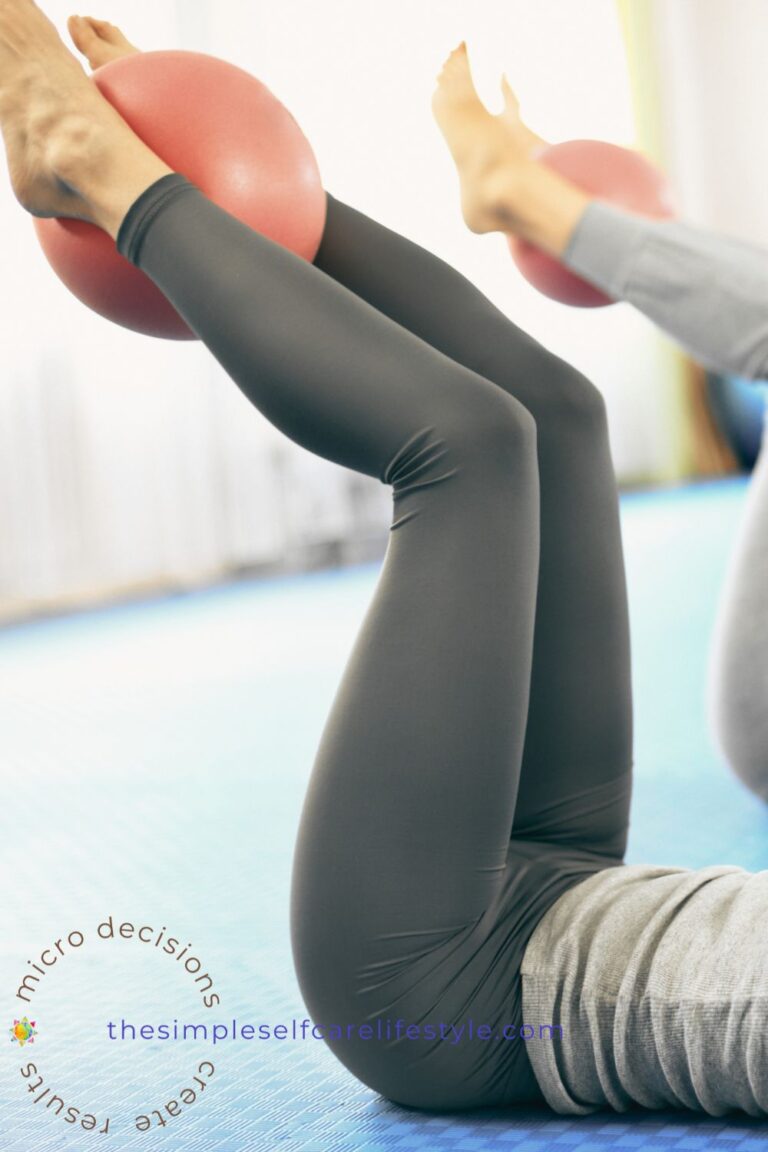
Weight-bearing exercise: Walking, stair climbing, dancing, or HIIT-style movement to stimulate your bones.
Resistance training: Squats, lunges, resistance bands, and bodyweight exercises like the Sun Salutation provide targeted stress to key bones.
Specific Vibration Plates: The right plate can offer low-intensity vibration therapy that gently activates osteocytes and osteoblasts. They are good for everybody, but especially useful for those unable to tolerate high-impact exercise [13,14]. (more on these plates in future post. I am testing them out).
What to keep in mind: Your bones get stronger when you move them. Short walks, a few squats, resistance training. You don’t have to be an athlete; consistent daily movement is what matters most. Even short daily sessions woven into your day will send strong signals for bone remodeling.
The goal is consistent mechanical signaling, not marathon-level effort. Use your Motivator Micro-decision APP to keep you motivated to integrate quick bouts of weight-bearing activity throughout the day.
Bones need to move to stay strong. Gentle vibrations or short walks signal your body to build and maintain bone. Consistency matters more than intensity.
E. (Emotion-Environment) Reduce Inflammation & Oxidative Stress
Chronic inflammation, including inflammation spurred on by chronic mental stress, chronic poor sleep, and cortisol dysregulation, accelerates osteoclast activity and slows osteoblasts [7,21].
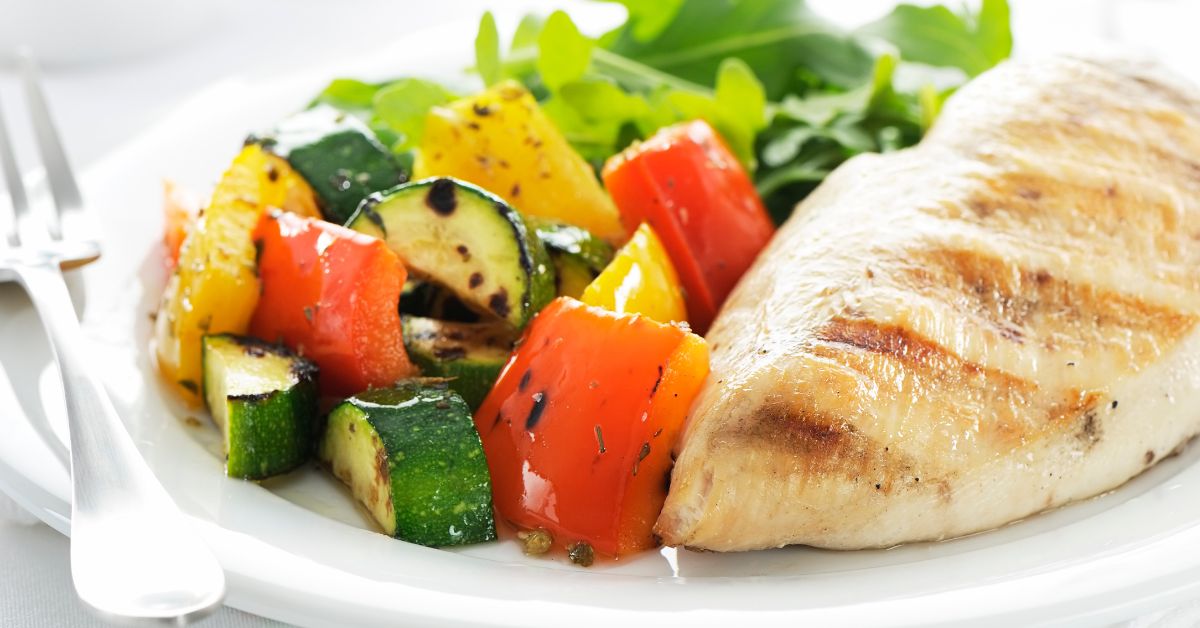
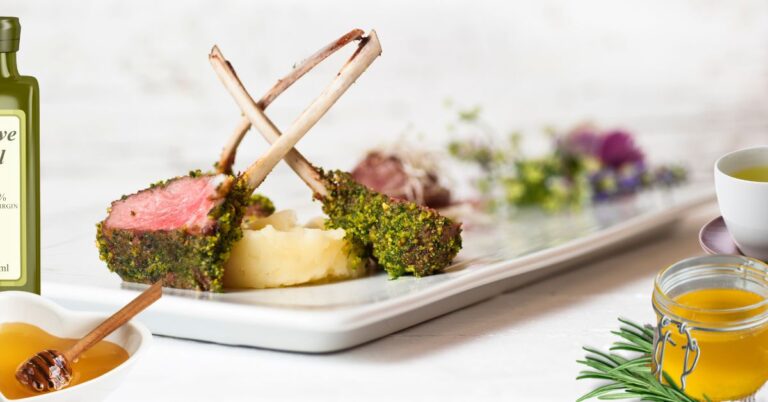
An anti-inflammatory diet. Eat the highest quality meats, fruits, and vegetables you can afford.
Limit sugar and processed foods as much as possible, as they promote inflammation and metabolic disruption.
Remove as many toxins from your home by swapping for safer, non-toxic products as possible, especially those you use frequently.
The Self Care E. Re-Cap.
Inflammation is like traffic slowing construction. Eating anti-inflammatory foods, sleeping well, reducing your exposure to daily toxins, and managing stress clears the way for your bone builders. Small changes make a big difference over time.
Three Self-Care Micro-Decisions that you can give a try that all support bone health:
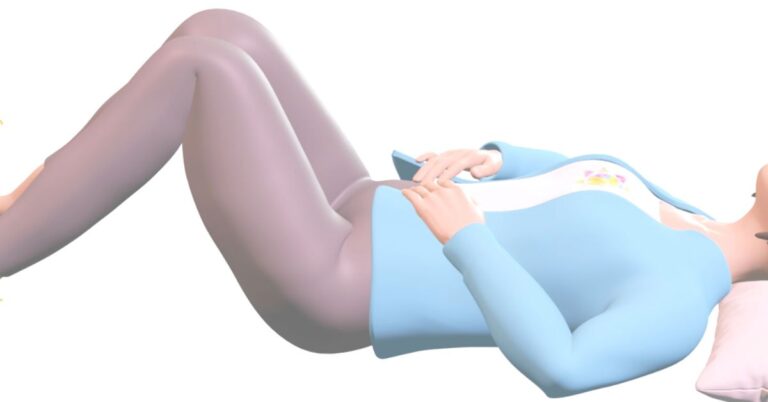
Start with the biggest bang for your buck: strengthening your HPA Axis (stress loop) because it’ll positively impact your entire body, and you can fall asleep doing it!! It doesn’t get simpler than that!
Swap out a processed food or two for whole foods like Apples or Manuka Honey. And maybe replace your salt or tea with brands that are plastic-free.
All of the above help your body reduce inflammation, which in turn is positive for your bones.
Inflammation is like construction delays. Keeping inflammation low helps osteoblasts build faster and osteoclasts work only when needed.
N. (Nutrition) Prioritize High Quality Protein
Don’t take calcium supplements until you KNOW you are deficient. Instead, you’ll want your focus to be on your protein intake.
When it comes to bones, protein is king. About 50% of bone volume is protein, mostly collagen, which acts as a scaffold for minerals like calcium and phosphate [15,16]. Without sufficient protein, osteoblasts lack the raw materials to build dense, resilient bone.
How Protein Supports Your Overall Terrain
Protein impacts bone health at multiple levels:
Muscle support: Muscles load bones during movement, which signals osteoblasts to build stronger bone [18]. This is why protein intake and resistance training go hand-in-hand for skeletal health.
Hormone balance: Amino acids are the building blocks for growth hormone and IGF-1, both of which stimulate bone formation [15].
Gut health: Protein supports a healthy microbiome and helps your gut absorb other critical nutrients for bone formation [20].
Inflammatory balance: Adequate protein intake helps reduce chronic low-grade inflammation, which otherwise drives bone breakdown [21].
The Self Care Payoff for Your Bones
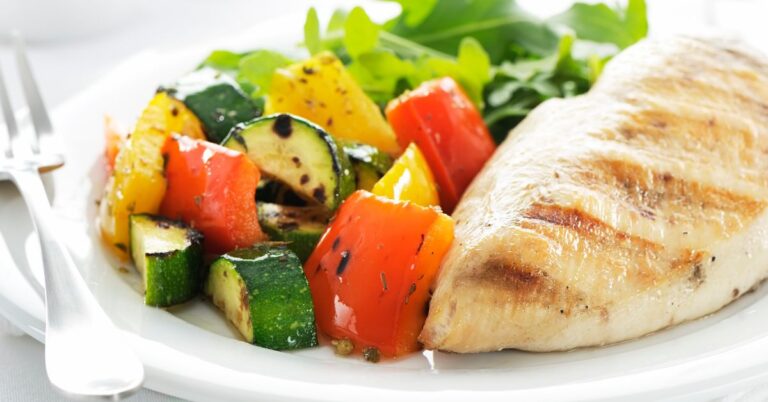
Increasing high-quality daily complete protein (meat) is like sending your builders a steady supply of bricks, so they can build strong walls with the right materials.
The right collagen supplementation provides glycine, proline, and hydroxyproline. They are key amino acids for osteoblast function and the structural integrity of bone matrix [16,17].
The right creatine is heavily researched and has been repeatedly shown to improve our ability to maintain muscle strength and endurance as we age. This maintained muscle strength and endurance indirectly increases our ability to apply the mechanical loading on bones needed to enhance bone density [18]
The Self Care Payoff to Your Bones
As you increase daily consumption of high-quality protein:
Consider adding the right collagen peptides (to see if they work for you) and/or
Slowly implement the right Creatine (if approved by your personal clinician).
The increase in daily high-quality complete protein provides the amino acids that osteoblasts need to build a dense, resilient foundational scaffolding of your bone.
The collagen will act like specialized lumber for your construction site; it strengthens the scaffolding of your bones.
Then, creatine could provide a bit of extra material to build stronger muscles, which naturally helps in a cascading way when you apply stress to your bones, signaling them to build more.
Protein is your raw material for scaffolding. Without it, osteoblasts can’t create the framework for the calcium and minerals it needs. Daily high quality complete protein supports bones, muscles, hormones, and gut health.
N. Support Micro Nutrients
Bones need the right nutrients to form matrix and deposit minerals effectively [5,6,19]. Your cells need cofactors to operate efficiently.
Some Key MicroNutrients
Magnesium & trace minerals: Zinc, boron, and manganese support enzymatic processes critical for bone remodeling.
Both calcium and vitamin D are essential for bone mineralization; vitamin D enhances calcium absorption.
Vitamin K2: Directs calcium into bone rather than soft tissues
The Self Care Payoff to Your Bones
Think of vitamins and minerals as specialized tools. Calcium is the concrete, vitamin D is the foreman making sure it’s placed correctly, and magnesium and trace minerals are screws and nails holding everything together.
IMPORTANT! Get tested for deficiencies FIRST. Then use high-quality supplements to replenish your deficiency(s) while looking for the root cause. Adding micronutrients, such as Calcium, K2, and Magnesium, when your body is not low in them, is not a good idea.
This is very important. I cannot tell you how many times clients come to a session letting me know their practitioner suggested they take calcium to protect their bones, or because they scored in the osteopenia range, and when we check, the majority of the time, they already have enough calcium.
This is really important. When your cells already have enough of the needed micronutrients, more is not better for your bones or body.
Below are just a few reasons why taking supplements without knowing YOUR deficiencies matters.
Here’s a quick list of how excess levels of some of the micronutrients that are often suggested to people to take to avoid osteoporosis can negatively affect the body, both at a cellular level and then over time at a systemic level:
Excess Magnesium
Cellular level:
Excess magnesium can interfere with calcium and potassium ion channels, disrupting cellular signaling and muscle contraction.
High magnesium may inhibit osteoblast activity, slightly reducing bone formation. The opposite of what we want.
Systemic level:
Can lead to diarrhea, nausea, and abdominal cramping.
Severe excess may cause hypotension, irregular heartbeat, muscle weakness, and in extreme cases, cardiac arrest.
Zinc in Excess
Cellular level:
Excess zinc can disrupt copper absorption, leading to copper deficiency, which impairs collagen cross-linking in bones.
Can inhibit the activity of certain enzymes critical for DNA synthesis and repair. The opposite of what we want for strong bones.
Liver dysfunction in those with compromised hepatic clearance.
Excess Calcium
Cellular level:
Excess calcium can inhibit osteoclast activity, reducing normal bone remodeling.
Can cause cellular calcification in soft tissues and blood vessels.
Systemic level:
Kidney stones, constipation, nausea.
Severe: hypercalcemia, leading to arrhythmias, confusion, and renal failure.
Chronic excess may contribute to arterial calcification and cardiovascular risk.
Vitamin K2 in Excess
Cellular level:
Vitamin K2 excess is rare but may overactivate certain carboxylase enzymes, potentially affecting blood clotting.
Systemic level:
Usually well-tolerated.
High doses, particularly in combination with anticoagulants (like warfarin), can interfere with blood clotting.
Summary Table:
Nutrient
Cellular Impact of Excess
Systemic Impact of Excess
Magnesium
GI upset, immune dysfunction, anemia, and bone loss
GI upset, hypotension, arrhythmias
Zinc
Copper deficiency, impaired DNA/enzymes
GI upset, immune dysfunction, anemia, bone loss
Boron
Enzyme disruption, hormone imbalance
GI upset, reproductive toxicity, bone effects
Manganese
Oxidative stress, impaired bone matrix
Neurological symptoms, liver dysfunction
Calcium
Osteoclast inhibition, soft tissue calcification
Kidney stones, hypercalcemia, cardiovascular risk
Vitamin K2
Rare enzyme overactivation
Possible clotting interference with anticoagulants
Vitamins and minerals are tiny but mighty. They tell your bones where to place calcium and help your cells work efficiently. Every builder needs these specialized tools. BUT remember more is NOT better.
4. Optimize Your Gut Biome
A healthy gut improves mineral absorption and reduces inflammation [10,11,20].
Self Care Strategies
Consider personalized microbiome testing to identify deficiencies
Use test results to understand the best probiotics for your bioindividual case.
If they are attractive to you, consider slowly incorporating fermented foods (like properly fermented vegetables)
Reduce Your Stress Loop by strengthening your HPA Axis
The Self Care Payoff.
Your gut is like the supply chain for your bone construction site. If you give it what it needs probiotically, it can switch from slow or inefficient, where your builders go from not getting the materials they need to on time to an efficient delivery so the bones have what they need at the right time.
Self Care Micro-decisions: Arrange testing of your microbiome. Just like micronutrients, knowing what you have and do not have makes a world of difference.
If you are so inclined, add a bit of properly fermented food with your meals to support your biome, and once you have test results, seek out and add the right strains of probiotics to your daily regimen.
Your gut is the supply chain for your bone builders. When it’s efficient, materials arrive on time. Poor absorption weakens bones.
S. (Support) Support Bone with Near-Infrared (NIR) Light Therapy
NIR light stimulates osteoblasts, increases ATP production, and accelerates bone healing [1,2,12,22,23].
How It Works
NIR penetrates tissues and activates mitochondria, energizing bone-forming cells. This non-invasive approach complements nutrition, exercise, and vibration therapy.
The Self Care Payoff
NIR light is like turning on extra lights and supplying energy at your construction site. Your osteoblasts can work faster and stronger. Even a few minutes a few times a week can support bone density over time.
Micro-decision: Schedule 3–5 NIR light sessions per week with a validated device if you have access in your area.
NIR therapy is like turning on extra lights at a construction site. It energizes your bone builders to work faster and stronger.
Simple (CELL’f) Care for your bones re-cap:
M. Motion: Provide, Optimize, and Protect your bones with the right amount of exercise + vibration therapy
E. Emotion/Environment: Provide, Optimize, and Protect your bones: by reducing the HPA Axis pro-inflammatory state, rebalance using 4-7-8 (it works!), and if you can, using NIR light.
N. Nutrition:Feed your bones: protein + collagen + creatine + micronutrients that you KNOW are deficient and rebalance gut biome health.
By addressing osteoporosis at the cellular level, your osteoclast/blast cell ratio has a better chance of balancing in a way that allows your bones and muscles to remain healthy, and this, in turn, is a huge positive for your overall terrain, supporting your energy, resilience, and healthspan.
I’ve included multiple references for you at the bottom of this page.
New Here?
Check out The Simple Self Care Lifestyle’s 1 Goal, 1 FOCUS & Micro Decision Process then peruse what readers have to say in the slider below, as well as this page, where more readers share their experiences: READ MORE
What a resource!
Each time you send an email that you’ve posted something I head on over to check it out. I’ve swapped out multiple toxins in my house and love knowing these small swaps are making BIG differences! Thank you for doing the research saving me the time! What a resource! PS Having the research to back me up helps my husband to be all in too! Thank you, thank you. Sincerely,
Cheryl
Laundry is Fresh!
Wow, mo!The soap nuts are a huge hit in our family. My husband loves doing the laundry now; he claims the clothes smell like they were line dried outside! Super fresh! (And he has a ton of sweaty tennis clothes...) Also, the wool dryer balls “cured” our old dryer. Now clothes are dried twice as fast, and don’t smell like dryer sheets! Thanks for your suggestions–and keep them coming!
Jenny S.
My pooch is fixed!
OMG. My pooch is fixed. With toddlers that is no small feat! I started with your ab check and had a BIG separation! Who knew?! Used the 2 1/2 minutes each day for 90 days and fixed! Then the 1 minute videos are a god send. I get on the floor with the kids push play and in six one min videos I hit my posture muscles. I feel so good. I am looking better too! So glad to have your videos. 💗
Erika L
My son didn’t burn!
My son, now 9 has never had a vacation where he did not burn. We had a March vacation and I was ready with the NON-TOXIC sunscreen recommendation that was also gluten, corn & soy free. I could not believe you went through the trouble of finding products that qualify all the things my son needs. And it worked! We were able to enjoy EVERY day of vacation. No sunburn/no rashes. TY
Tami C
Constipation & ED
Whelp my wife is a fan and now I am too. She showed me the research on Flax. I tried it, it worked. I’ve never been so regular. I then tried E for E exercises, I thought they were a joke. 93 days later I can tell you they work. My ED is much improved & my ABS are stronger too- just like you explained in the videos. The ex’s feel like nothinguntil you actually sit TALL the WHOLE way through!
I am writing to thank you for the detailed explanation on indigestion. I took it with me to my annual visit. My Dr agreed I should try some suggestion. “What could it hurt” was her advice. Well its been years suffering with indigestion and with 3 of the 4 tips in my routine I am doing better than I ever have. I read each post 5 or 6 times and always learn something new. Fondly,
I read your Fatty liver post and it made sense. I thought your worksheet did not apply to me though because I pay attention to my diet. I printed it and did it with a friend who also has a fatty liver diagnosis. It’s an understatement to say my eyes were opened to the hidden amount of sugar I eat! I’m writing to encourage others to earnestly use the pdf! I resolved my fatty liver with this 1 step!
Blessings, Mary
more results
Then be sure to download your FREE MOTIVATOR APP
This way, you can keep an eye on how many Self Care Micro Decisions you are making over time. Simple Self Care Micro Decisions add up to B-I-G RESULTS!
Bai, J., Li, L., Kou, N., et al. (2021). Low-level laser therapy promotes bone regeneration by coupling angiogenesis and osteogenesis. Stem Cell Research & Therapy, 12, 432.
next reference
Liu, Y., Zhang, Y., Li, Y., et al. (2022). Low intensity near-infrared light promotes bone regeneration via CRY1. Nature Communications, 13, 3679.
Santinoni, C. D., Oliveira, H. F., Batista, V. E., et al. (2017). The role of low-level laser therapy in bone healing. Journal of Photochemistry and Photobiology B, 169, 83–89.
next reference
Domazetovic, V., et al. (2017). Oxidative stress in bone remodeling. Clinical Cases in Mineral and Bone Metabolism, 14, 133–139.
PubMed. (2020). Vitamin K2 and bone mineralization.
next reference
National Institutes of Health. (2021). Calcium and Vitamin D supplementation for bone health.
Khosla, S. (1997). Role of estrogen in the regulation of bone remodeling. Journal of Clinical Investigation, 100, 2930–2932.
next reference
Judex, S., & Luu, Y. K. (2009). Mechanical signals as anabolic agents in bone. Nature Reviews Rheumatology, 5, 63–73.
PMC7546009. (2020). Systematic review of NIR light-assisted phototherapies for bone-related diseases.
next reference
Li, J. Y., et al. (2018). Gut microbiota regulates bone homeostasis. Immunity, 49, 1180–1191.e7.
Ohlsson, C., et al. (2014). Probiotics protect mice from ovariectomy-induced cortical bone loss. PLoS One, 9, e87110.
next reference
PMC5106470. (2016). Effect of NIR light on cellular ATP production in bone cells.
PubMed. (2021). Marodyne vibration therapy enhances bone mineral density.
Nature Reviews Endocrinology. (2019). Role of protein in bone health.
König, D., et al. (2018). Collagen supplementation improves bone mineral density and bone metabolism in postmenopausal women. Nutrients, 10, 97.
next reference
Frontiers in Endocrinology. (2020). Collagen peptide supplementation enhances osteoblast function.
Chilibeck, P. D., et al. (2017). Creatine supplementation enhances muscle strength and bone density in older adults: a meta-analysis. Journal of Nutrition, Health & Aging, 21, 742–748.
next reference
PMC6886696. (2019). Magnesium intake and bone density in older adults.
PMC6313441. (2018). Probiotics for bone health: A systematic review.
Bone Reports. (2021). Anti-inflammatory diets improve bone outcomes.
next reference
ScienceDirect. (2022). NIR Light-Assisted Photothermal Therapy Enhances Bone Regeneration.
Reid IR. Effects of calcium supplementation on vascular calcification in the elderly. Osteoporos Int. 2008;19(8):1137–1143.
Schurgers LJ, et al. Vitamin K-containing dietary supplements: comparison of synthetic vitamin K1 and natto-derived menaquinone-7. Blood. 2007;109(8):3279–3283.
next reference
Shea MK, Booth SL. Vitamin K, vertebral fractures, vascular calcification, and mortality: a review. Curr Opin Lipidol. 2008;19(1):53–59.
next reference
Cookies are used on this website to give you the most relevant experience by remembering your preferences and repeat visits. By clicking “Accept”, you consent to the use of these cookies.
This website uses cookies to improve your experience while you navigate through the website. Out of these, the cookies that are categorized as necessary are stored on your browser as they are essential for the working of basic functionalities of the website. We also use third-party cookies that help us analyze and understand how you use this website. These cookies will be stored in your browser only with your consent. You also have the option to opt-out of these cookies. But opting out of some of these cookies may affect your browsing experience.
Necessary cookies are absolutely essential for the website to function properly. These cookies ensure basic functionalities and security features of the website, anonymously.
Cookie
Duration
Description
cookielawinfo-checkbox-analytics
11 months
This cookie is set by GDPR Cookie Consent plugin. The cookie is used to store the user consent for the cookies in the category "Analytics".
cookielawinfo-checkbox-functional
11 months
The cookie is set by GDPR cookie consent to record the user consent for the cookies in the category "Functional".
cookielawinfo-checkbox-necessary
11 months
This cookie is set by GDPR Cookie Consent plugin. The cookies is used to store the user consent for the cookies in the category "Necessary".
cookielawinfo-checkbox-others
11 months
This cookie is set by GDPR Cookie Consent plugin. The cookie is used to store the user consent for the cookies in the category "Other.
cookielawinfo-checkbox-performance
11 months
This cookie is set by GDPR Cookie Consent plugin. The cookie is used to store the user consent for the cookies in the category "Performance".
viewed_cookie_policy
11 months
The cookie is set by the GDPR Cookie Consent plugin and is used to store whether or not user has consented to the use of cookies. It does not store any personal data.
Functional cookies help to perform certain functionalities like sharing the content of the website on social media platforms, collect feedbacks, and other third-party features.
Performance cookies are used to understand and analyze the key performance indexes of the website which helps in delivering a better user experience for the visitors.
Analytical cookies are used to understand how visitors interact with the website. These cookies help provide information on metrics the number of visitors, bounce rate, traffic source, etc.
Advertisement cookies are used to provide visitors with relevant ads and marketing campaigns. These cookies track visitors across websites and collect information to provide customized ads.